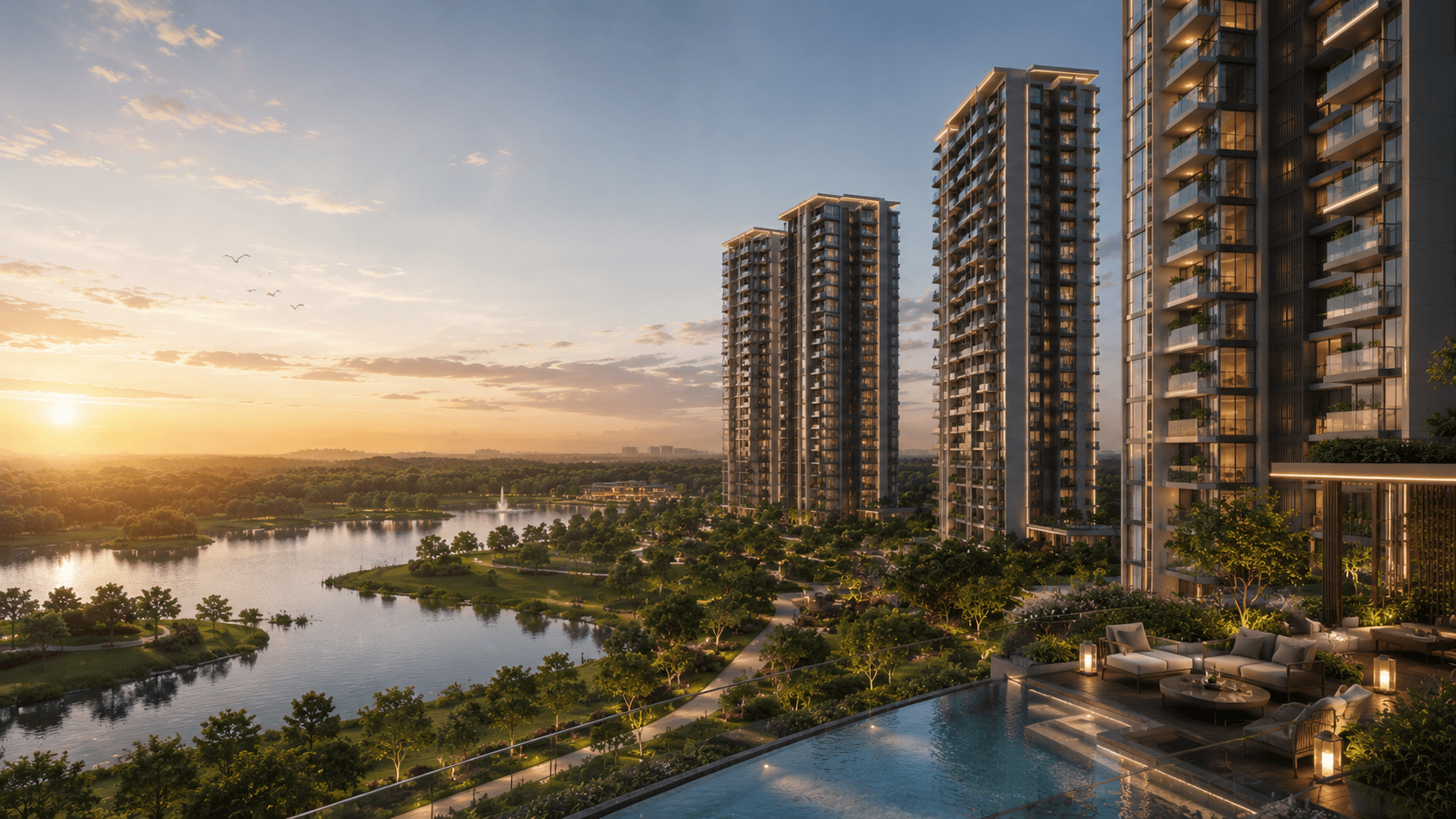
Sobha Aranya offers luxury residences within Karma Lakelands, a low-density, nature-focused community in Gurgaon. Its relevance comes less from typical project features and more from its setting — an integrated green environment that reflects a growing shift among Gurgaon luxury homebuyers toward space, openness and planned community living over dense high-rise clusters.
“If you are looking for pricing, floor plans, and official brochure details, visit our complete page on Sobha Aranya at Karma Lakelands Gurgaon“
Why Karma Lakelands Is a Unique Address
Introduction
Gurgaon’s luxury housing market has changed shape over the last decade. Buyers who once prioritized tower height and skyline views are now asking different questions — how much open space is around the building, how the community is planned, and whether the surrounding environment adds to daily life or takes away from it.
This shift is part of why Sobha Aranya, located within Karma Lakelands, has drawn attention. Rather than treating this as a project review, it’s worth stepping back and looking at what Karma Lakelands itself represents as a residential setting, and why that context matters more than most buyers realize when evaluating a luxury home.
It’s worth noting that Sobha Group, founded by Mr. PNC Menon, has built its reputation around in-house execution — from architectural design to final handover — backed by a documented quality process of over 1,400 checks per home and manufacturing facilities for glazing, metalwork, concrete products and stonecraft. That execution track record is relevant context when evaluating any Sobha development, though it’s a separate consideration from the locational and environmental factors this article focuses on.
What Makes Karma Lakelands Different From a Conventional Residential Location?
Karma Lakelands is not a typical Gurgaon residential pocket built around dense clusters of towers. It’s designed around open land, water bodies and organized green cover, with residential development positioned inside that setting rather than the other way around.
A few things separate this kind of setting from a conventional locality:
- Lower building density compared to most high-rise-heavy sectors
- Planned green and open spaces integrated into the layout, not added as an afterthought
- A community identity built around lifestyle and environment rather than just proximity to commercial hubs
Karma Lakelands has positioned itself as a sustainability-led community rather than a purely residential township. The setting includes a nature sanctuary that serves as habitat for a wide range of bird species, along with rare fauna and protected species that the community has worked to conserve. Beekeeping initiatives that support natural pollination and permaculture farms within the community are further examples of this environmental approach being built into daily life rather than treated as a marketing footnote.
This matters because location value in luxury real estate isn’t only about the address on paper. It’s about what surrounds the home every day — and in Karma Lakelands, that surrounding environment is a deliberate part of the design, not a byproduct of it.
Sobha Aranya and the Shift Toward Nature-Led Luxury Living
Nature-led luxury living, put simply, is a residential approach where landscape, greenery and open space are treated as core to the living experience rather than as decorative extras. It’s a response to years of dense vertical development where outdoor space became scarce.
Sobha Aranya’s placement within Karma Lakelands reflects this direction. Instead of positioning a tower in an urban pocket and adding a garden at the base, the development sits inside a setting where green cover and open land already define the character of the area.
This approach tends to appeal to buyers who want:
- Visual and physical distance from dense construction
- Access to open, walkable green space as part of daily routine
- A quieter, less congested residential environment
Karma Lakelands also anchors this philosophy around an award-winning golf course designed by golf architect Phil Ryan, with the community’s residential precincts — including Sobha Aranya — oriented to overlook the course and the surrounding forestscape rather than face inward toward other buildings. It’s worth being clear here — this is a description of a design philosophy and locational context, not a claim about specific amenities within Sobha Aranya itself.
Why Environment and Community Matter to Modern Luxury Homebuyers
Ask a Gurgaon luxury buyer today what they’re evaluating, and space and environment usually come up before interiors or floor count. Newer luxury projects across the city increasingly follow this pattern.
There are a few reasons this preference has grown:
- Post-pandemic lifestyle recalibration. Buyers who spent extended time at home became more sensitive to how much usable outdoor and open space a residence actually offers.
- Traffic and congestion fatigue. Lower-density areas with better-planned infrastructure often offer a more convenient and comfortable day-to-day living experience.
- Long-term livability over short-term convenience. Many buyers now weigh how a location will feel to live in for 10–15 years, not just how close it is to the nearest mall.
Community planning plays into this too. A well-planned low-density community typically means fewer shared amenities stretched across more residents, and an environment that doesn’t feel visually crowded even as it fills up.
How Gurgaon’s Luxury Housing Preferences Are Changing
Gurgaon’s luxury segment has moved through a few distinct phases. Early luxury development concentrated around dense high-rise clusters near commercial corridors. Over time, buyers with means started looking further afield for lower density, larger formats and more control over their immediate surroundings.
This is broadly why locations like Sohna Road and Golf Course Extension Road have seen renewed interest — they offer a mix of connectivity and comparatively more breathing room than the older, denser sectors.
What’s changed isn’t that buyers no longer value connectivity. It’s that they’re no longer willing to trade all their open space for it. The preference now leans toward developments that offer both — reasonable access to the city, along with an environment that doesn’t feel purely urban.
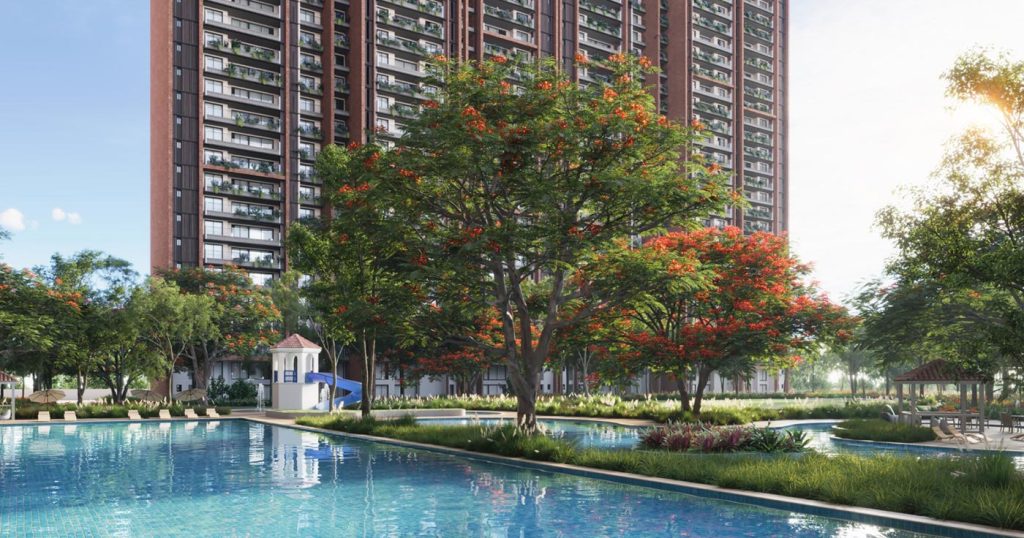
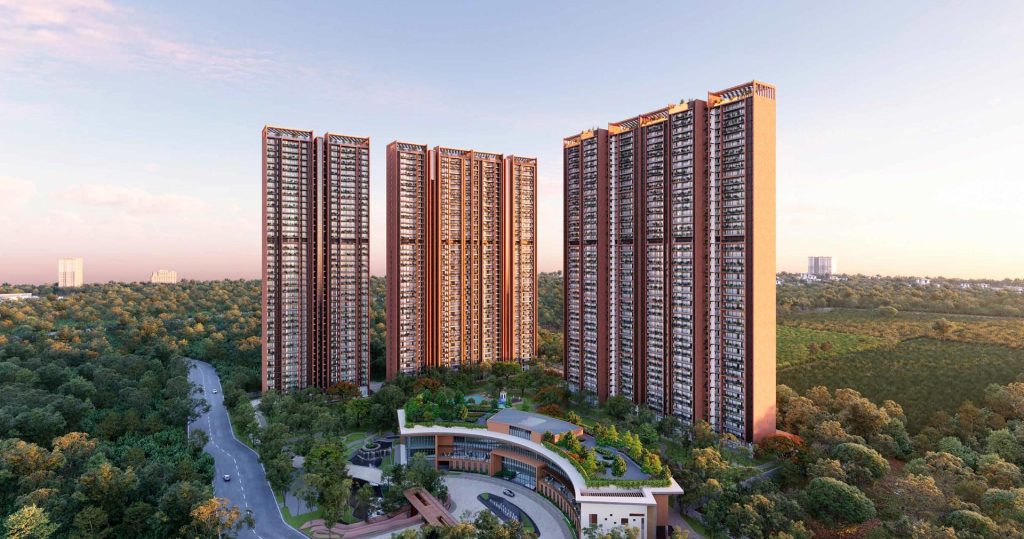
What Makes Sobha Aranya Relevant to This Emerging Lifestyle Trend?
Sobha Aranya sits at the intersection of two things Gurgaon luxury buyers are increasingly asking for: a recognized development approach and a setting that isn’t defined by density.
Its relevance isn’t about being the only option in this category — it’s about how directly it aligns with where luxury housing preferences in Gurgaon are heading. A development inside an established green, low-density community like Karma Lakelands speaks to buyers who’ve already decided that environment is non-negotiable, and are now narrowing down within that framework.
For anyone comparing options along these lines, understanding the broader Karma Lakelands context is arguably more useful than comparing floor plans in isolation — because the setting itself is what differentiates the experience.
Within Sobha Aranya, the current and final phase — Tower 1 — reflects this positioning directly. It has been planned as a standalone tower with only two residences on every level, which is a materially different density approach than most Gurgaon high-rises. The residences are oriented for uninterrupted golf course views, with private balconies and gardens attached to individual homes rather than shared common areas alone. This kind of layout is a direct extension of the low-density, view-oriented philosophy that defines Karma Lakelands as a whole, rather than a standalone design decision.
Location Context: Why Karma Lakelands Matters
Location value in Gurgaon’s luxury segment increasingly depends on more than distance to the nearest business district. It depends on what a resident experiences the moment they step outside their home.
Karma Lakelands offers a setting where:
- Open land and water features are part of the immediate surroundings
- Development density is intentionally kept lower than in typical Gurgaon residential sectors
- The broader area has been positioned around a lifestyle and leisure identity over the years
This kind of location context tends to hold relevance over the long term, since it’s tied to how the area itself has been planned rather than to a single project’s marketing. Exact connectivity details, distances and access routes are best confirmed directly through the Sobha Aranya project details rather than assumed.
Who May Find This Type of Luxury Residence Relevant?
This kind of address tends to resonate with a specific type of buyer rather than everyone in the luxury segment. It’s generally more relevant for:
- Buyers prioritizing long-term livability and open space over proximity to a single office hub
- Families looking for a quieter, lower-density environment for children or multi-generational living
- End-users rather than short-term investors, given the lifestyle-first positioning of such developments
- Buyers who’ve already decided that dense high-rise living isn’t what they’re looking for next
It’s less suited to buyers whose primary requirement is being within walking distance of a dense commercial or nightlife district — that trade-off is worth being honest about.
Key Factors Buyers Should Evaluate Before Choosing a Nature-Led Luxury Home
Before committing to any low-density, nature-integrated development, it helps to evaluate a few things directly rather than relying on marketing language:
- Actual density and open space ratio — ask how much of the land is truly open versus built.
- Long-term community management — who maintains the green spaces and shared infrastructure over time.
- Connectivity realities — not just distance on a map, but actual travel experience during peak hours.
- Development track record — how the broader community or township has evolved since its earlier phases.
- Verified project specifics — configurations, pricing, possession timelines and RERA details, confirmed directly rather than assumed.
This last point is worth emphasizing. General context about a location or lifestyle trend shouldn’t substitute for verified, project-specific facts when making a purchase decision.
Conclusion
Karma Lakelands offers a different approach to residential living in Gurgaon, making open space and thoughtful planning central to the community. Sobha Aranya’s presence within that setting reflects a broader shift in what luxury homebuyers in the city are now prioritizing.
What is nature-led luxury living?
It makes landscape, open space, and greenery central to residential design, shaping the home’s atmosphere and everyday living experience. Rather than added as secondary features around a dense building.
Why are integrated green communities becoming more attractive in Gurgaon?
Buyers are increasingly prioritizing open space, lower density and long-term livability. Partly as a response to years of dense high-rise development in the city.
What makes Karma Lakelands different from a conventional residential locality?
It features open land and planned green cover, with lower building density than most standard residential sectors in Gurgaon.
Why is community planning important in luxury housing?
Well-planned communities tend to offer better long-term maintenance of shared spaces and a less congested living experience. Which matters more over a 10–15 year ownership horizon than initial finishes or amenities.
What should buyers evaluate when considering a low-density luxury development?
Actual open-space ratio, long-term community management, real connectivity experience, and verified project-specific details like configuration and possession timelines.
How does the surrounding environment influence the luxury-home experience?
Location shapes daily life, influencing noise, congestion, open space, and the overall experience of living outside home.
Is a nature-led community suitable for every type of buyer?
Not necessarily. It suits end-users seeking space and long-term comfort over proximity to busy commercial and nightlife areas.
What kind of environmental features does Karma Lakelands include?
The nature sanctuary protects diverse bird species and rare wildlife, creating a peaceful setting surrounded by natural greenery and biodiversity.Sustainable features include beekeeping, permaculture farms, and waste management systems, encouraging responsible living while supporting natural pollination throughout the community.An award-winning golf course designed by Phil Ryan adds a premium recreational element, complementing the community’s distinctive lifestyle and appeal.
Where can I find verified details about Sobha Aranya’s configurations and pricing?
Verified, up-to-date project details are available on the Sobha Aranya project page, which remains the primary source for specifications, pricing and availability.